
The allure of casino gaming
The psychology of casino gaming is deeply rooted in the allure of risk and reward. The thrill of potentially winning large sums of money can create an intoxicating experience that draws individuals in. This excitement, often amplified by the vibrant atmosphere of casinos, can lead to a psychological state known as “flow,” where players lose track of time and engage fully in the gaming experience. The sensory stimulation from flashing lights, sounds of winning machines, and social interactions all contribute to this engaging environment. Many players are also exploring online crypto casinos as a new avenue for their gaming pursuits.
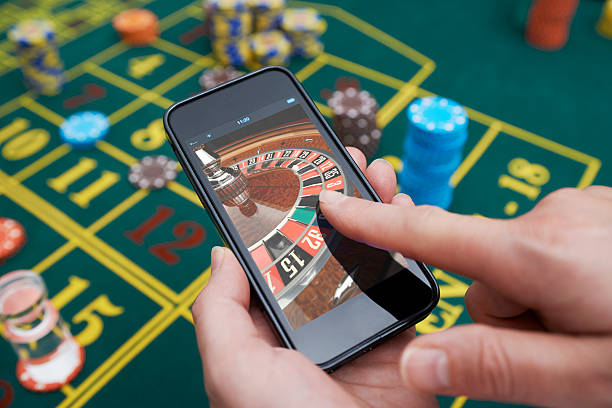
Moreover, casinos are designed to enhance this allure. They employ various psychological tactics, such as near-misses, variable rewards, and the use of appealing décor, all aimed at keeping players engaged. The unpredictability of outcomes in games of chance taps into human instincts, making gambling not just a game of chance but an emotionally charged experience that can be hard to resist.
The impact of cognitive biases
Cognitive biases play a significant role in how individuals perceive their chances of winning in a casino setting. One prevalent bias is the illusion of control, where players believe they can influence the outcome of random events, such as slot machines or card games. This belief can lead to increased gaming activity and, often, financial loss, as individuals underestimate the role of chance in their gaming choices.
Another common bias is the gambler’s fallacy, where players think that past outcomes will influence future results. For example, if a player notices that a particular roulette number hasn’t appeared recently, they may believe it is “due” to come up soon. Such misconceptions can skew decision-making, driving individuals to gamble more than they initially intended based on faulty reasoning.
The role of social influences
Social factors significantly impact an individual’s gambling choices, as casinos often serve as social hubs. People tend to gamble in groups, which can amplify the excitement and provide a sense of belonging. This social interaction can heighten the enjoyment of the gambling experience, making it more appealing for individuals to participate in gaming activities.
Furthermore, the presence of friends and family can create a supportive yet potentially risky environment. Group dynamics may encourage riskier choices, as individuals may feel pressured to gamble more to keep up with peers or enhance the social experience. This sense of community, while enjoyable, can lead to reckless behavior and increased gambling involvement.
The emotional drivers of gambling behavior
Emotions play a crucial role in influencing gambling choices. Many individuals turn to gambling as a means of escaping negative emotions, such as stress or anxiety. The immediate thrill and potential for rewards can provide temporary relief from everyday pressures, creating a cycle of seeking out gambling experiences to cope with emotional distress.
Conversely, positive emotions can also drive gambling behavior. Players may gamble to celebrate achievements or share joyful moments with others. However, the emotional highs associated with winning can lead to chasing losses when players experience setbacks, further complicating their relationship with gambling and potentially leading to a gambling addiction.

Valuable resources for understanding gambling behavior
This website aims to provide essential insights and resources to help individuals understand the complexities of gambling behavior. By exploring various psychological factors that influence gaming choices, visitors can gain a better grasp of their motives and enhance their decision-making processes. The platform serves as an informative resource to navigate the psychological intricacies of gambling.
Though currently experiencing access limitations, this website promises a wealth of information that can empower users with knowledge about responsible gaming practices and the psychological factors at play. Visitors can benefit from exploring these resources to foster a healthier relationship with gambling, whether engaged for entertainment or seeking deeper understanding.